Soft Washing vs Pressure Washing for Coastal Homes: What’s Safest for Siding?

Along Florida’s Emerald Coast, salt air, sun, and humidity work hard on your siding. The right cleaning method protects your home while removing algae, mildew, and salt film. For most coastal siding, soft washing is the safest way to clean. It relies on low pressure and targeted solutions to lift stains without forcing water where it should not go. If you want a gentle clean designed for siding, explore our soft wash house washing service for a deeper look at the process and benefits.
Why Coastal Siding in Santa Rosa Beach Needs Gentle Care
Homes in Santa Rosa Beach, Seaside, WaterColor, and Blue Mountain Beach face a mix of wind-blown sand, salt spray, and warm, humid days. That combination feeds organic growth and can make even newer siding look dull in a single season. Salt air accelerates mildew growth on shaded walls, while strong sun bakes stains in place on south and west exposures.
Many homes along 30A use vinyl, fiber cement, stucco, or painted wood. Each can suffer when hit with high pressure. Cracked caulk lines, loosened lap seams, etched stucco, and stripped paint often trace back to pressure that was too strong for the surface.
What Is Soft Washing?
Soft washing is a low-pressure cleaning method that applies a carefully mixed solution and then gently rinses it away. Instead of blasting the stain, it treats the source so algae, mold, and grime release from the surface. That means less physical stress on siding, trim, and seals, and fewer chances of water intrusion.
If you want a quick primer on the approach and how it protects siding, you can start at our home base for soft washing in Santa Rosa Beach, FL and see how it fits with the rest of your exterior care plan.
- Lower pressure helps protect caulk joints, weep holes, and window seals.
- Solutions work on the stain so rinse water can stay gentle.
- Results tend to last longer because the growth is treated at its source.
What Is Pressure Washing and Where It Fits
Pressure washing uses higher PSI to remove buildup with force. It has a place on tough, hard surfaces like concrete drives, brick, and some stone. On siding though, high pressure can cause damage. Never let high pressure hit soffits or window seals; it can push water behind the wall system and create hidden moisture problems.
- Vinyl siding can loosen, warp, or allow water behind the laps.
- Stucco can chip or show visible etch marks that collect dirt faster.
- Painted wood can lose paint and expose bare areas to coastal moisture.
- Fiber cement can show abrasion at joints and cut edges.
Soft Washing vs Pressure Washing by Siding Type
Vinyl Siding
Vinyl’s interlocking laps are designed to shed rain, not resist direct force. Soft washing lifts algae and sunscreen smears without driving water up and behind seams. It also reduces the chance of oxidation streaks turning chalky after cleaning.
Fiber Cement (Hardie) Siding
Fiber cement holds paint well but dislikes high-pressure spray at joints and trim. A soft wash helps preserve paint film and caulk lines so seaside wind and rain have fewer paths to get inside.
Stucco and EIFS
Stucco texture makes a great hiding place for mildew and salt crystals. Soft washing gets into the texture with low pressure so you avoid pitting and scarring that can occur when a wand is held too close.
Coastal wood needs gentle care to keep paint intact. Soft washing reduces peeling and keeps fibers from raising. Ask for low-pressure methods on any painted surface to protect your finish in our humid, storm-prone climate.
Local Factors That Change the Right Approach
Exposure matters. Homes close to the Gulf or near dune lakes often collect salt and algae faster than homes tucked inland near Point Washington. North-facing walls along shady live oaks or near marsh areas stay damp longer. That extra moisture speeds up staining and may call for more frequent soft washes compared with sunnier, breezier exposures.
Storm season usually brings wind-driven rain that can force salt spray into soffits and vents. After heavy weather, it is smart to have an exterior pro look for streaking, early mildew blooms, and residue that should be addressed before it hardens in the sun.
Local insight: after a stretch of windy beach days, salt crystals can bake onto the siding facing the Gulf. A timely soft wash breaks that bond before it etches, which helps your next clean last longer.
How Often Should You Clean Coastal Siding?
There is no single schedule because every home sees different wind and sun. For most Santa Rosa Beach homes, a soft wash once a year keeps algae and salt under control. Homes right on the beach or shaded by oaks may benefit from two light cleanings a year. If you host vacation guests, keeping the exterior bright between seasons protects curb appeal and reviews.
Clear Signs Your Siding Needs a Soft Wash
- Green or black streaks under windows, hose bibs, or along drip edges
- Chalky residue that smears on your hand after a light wipe
- Dark shading behind plants where walls stay damp
- Rusty orange lines near metal fixtures from salt and moisture
- Musty smell around shaded walls after a rainy week
What About the Roof and High Trim?
Those black roof streaks are usually algae that thrive in warm, humid air. They spread faster within a mile or two of the Gulf. A low-pressure approach helps protect shingles and flashing while clearing stains. If your eaves, fascia, and gutters also show buildup, pair your siding service with professional roof cleaning for a consistent, even look across the whole exterior.
Water Intrusion and Landscaping: Safety Comes First
Windows, doors, and louvered vents are weak points on breezy beach days. The goal is a clean rinse that never drives water behind the skin of the home. Soft washing protects those details, helps keep insulation dry, and is gentle around plant beds so blooms along your walkways keep their color. When done correctly, it also reduces residue on decks and railings where bare feet need safe, slip-resistant surfaces.
Neighborhood Examples Across 30A
In Seaside and WaterColor, homes often have bright paint and detailed trim that deserve a careful touch. Gulf Place, Dune Allen, and Blue Mountain Beach see more open wind, which brings faster salt buildup on the Gulf side of a home. East of Camp Creek, closer to Inlet Beach, newer fiber cement neighborhoods still develop algae on shady walls by late summer. Soft washing adjusts to each of these settings with method and dwell time rather than brute force.
Why SoWal Soft Wash Pressure Washing Recommends Soft Washing for Siding
Our team focuses on preserving siding first and cleaning second. That means low pressure, even coverage, and a measured rinse to protect caulk joints and paint film. We want your home to look great today and stay protected through our long, humid seasons. When you are weighing your options, remember that high PSI is not a shortcut. It can turn a two-hour job into a long-term repair.
If you are comparing methods, start with a gentle path that respects how coastal homes are built. You can learn more about our approach on this page for soft wash house washing, which explains how a low-pressure rinse pairs with targeted solutions to keep your siding safer.
Choosing the Right Time of Year
Late spring is popular because pollen has calmed down and summer rentals are about to begin. Early fall also works well, once the hottest sun begins to ease. Around Santa Rosa Beach, humidity may linger into October, so aim to clean before holiday decorations go up. That timing helps your siding stay bright for the cooler months.
Soft Washing vs Pressure Washing: The Bottom Line
Pressure washing has a place on hard surfaces like driveways and some masonry. Siding is different. It needs a method that protects seams, paint, and stucco texture while clearing the stain at its source. On the Gulf Coast, that method is almost always soft washing.
Pick the approach that respects your home’s design and our coastal climate. Your siding, trim, and windows will thank you for it. When you are ready, reach out to SoWal Soft Wash Pressure Washing for a safe, effective clean that keeps curb appeal high through salt, sun, and summer storms.
Ready to Protect Your Siding?
Soft washing keeps coastal siding cleaner, longer, and safer. Call SoWal Soft Wash Pressure Washing at 850-418-5128 to schedule your visit, or book through our page on soft wash house washing to get started. We serve Santa Rosa Beach, Seaside, WaterColor, Blue Mountain Beach, and the surrounding 30A communities with care and attention to detail.
Our Latest Projects
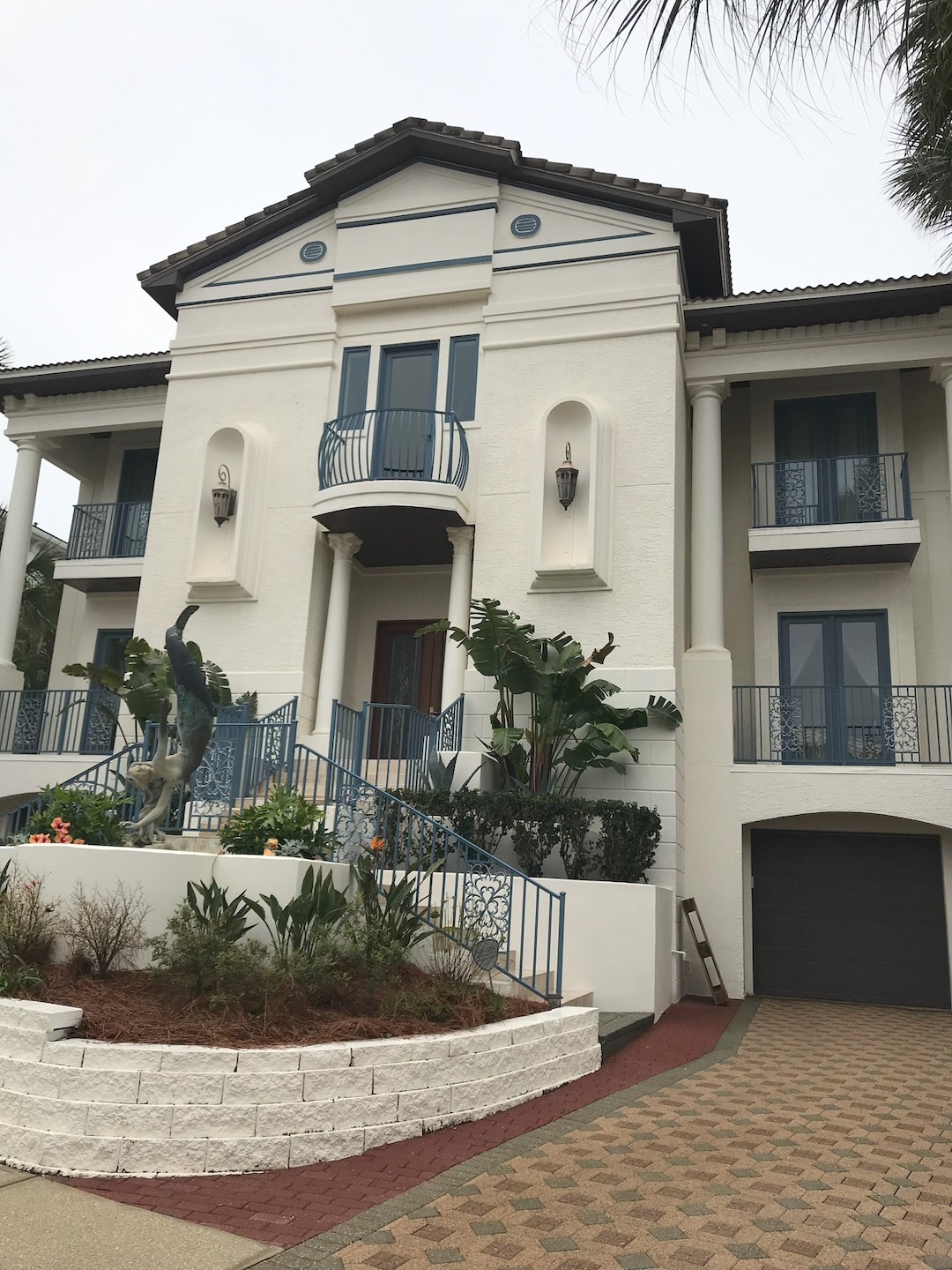
Pressure Washing & Soft Washing Vacation Home & Driveway in Santa Rosa Beach, FL
Elevate your property's allure with SoWal Soft Wash, your premier destination for unparalleled pressure washing services. Our adept team recently embarked on a prestigious project at an opulent beachfront home and driveway in Santa Rosa Beach, FL. Known for our meticulous approach, we dedicatedly restored the […]
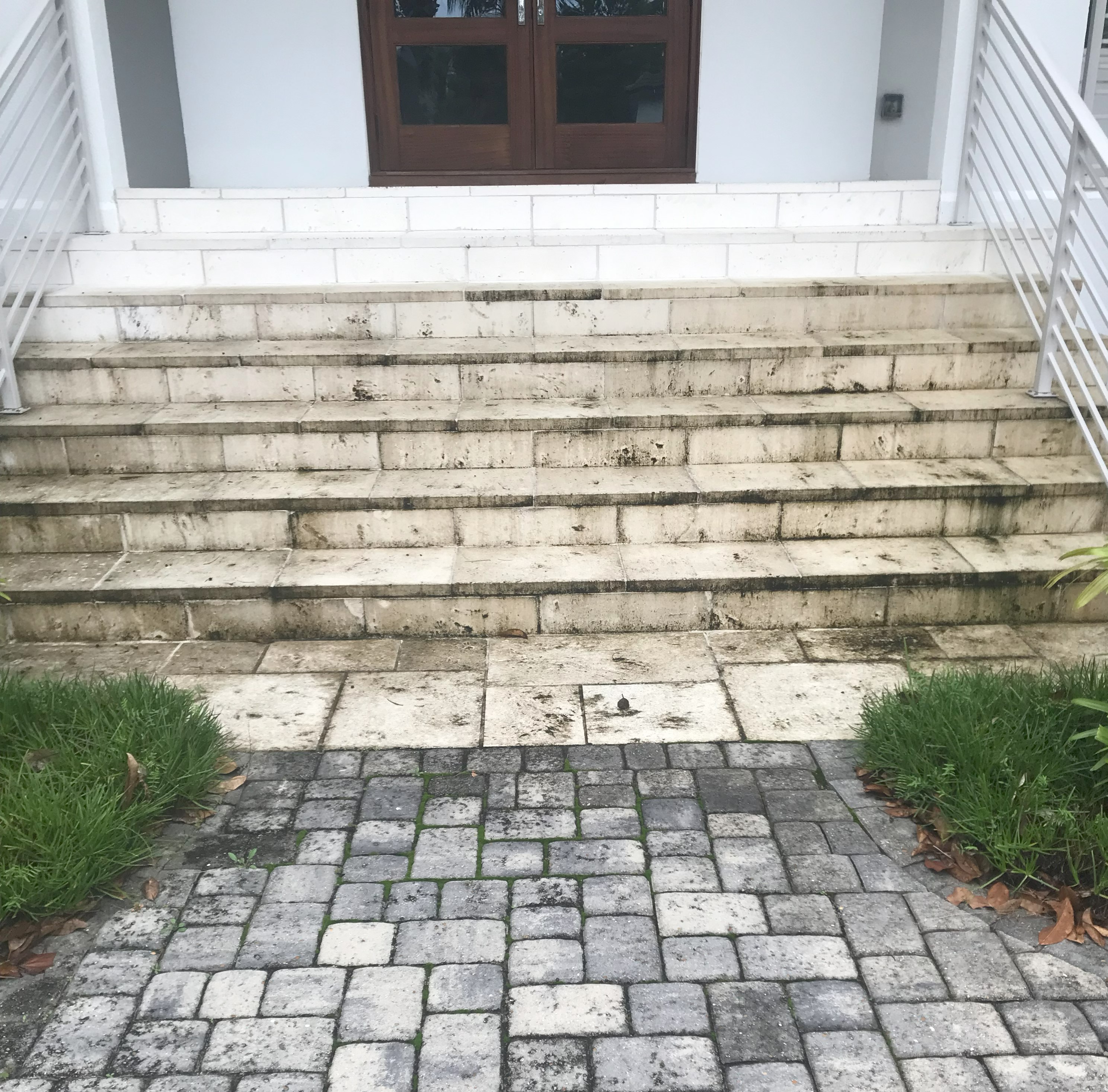
Pressure Washing & Soft Washing Vacation Home in White Cliffs on 30A in Santa Rosa Beach, FL
Experience the epitome of pristine exteriors with SoWal Soft Wash, your premier choice for soft washing and pressure washing services along the stunning shores of 30A, particularly in the scenic enclave of White Cliffs. Our dedicated team understands the unique needs of vacation homes, and we […]
Articles & Tips
-
How Often Should You Pressure Wash in 30A’s Salt Air?
If you live near the Gulf, you already feel it: salt air, year-round humidity, and shade make exterior grime return fast. That is why having a simple pressure washing frequency plan for coastal Florida keeps your siding, trim, and outdoor spaces looking fresh. For delicate exteriors, […]
-
Pressure Washing vs. Soft Washing: What’s Safest for Your Santa Rosa Beach Home?
If you have ever searched for soft wash Santa Rosa Beach, you already know our Gulf climate is tough on paint, stucco, and shingles. Salt air, humidity, and shade let mildew and algae creep in fast. The safest way to lift that buildup from your home’s […]